

By Gregg Andrews
From the banks of the Mississippi River near Hannibal comes a lost river story in which the truth, indeed, was stranger than fiction. More than twenty-five years ago in the pre-digital era, I followed the massive paper trail of this case from county courthouse to county courthouse on Highway 61 in northeast Missouri and then to the state supreme court in Jefferson City. Until I put the pieces of this complicated political jigsaw puzzle together, the story of the so-called “Insane Sisters” remained buried in the unmarked grave of one of its protagonists. Lately, the story keeps getting rediscovered as the twenty-fifth anniversary of the publication of my book approaches. Five years ago, the Bluff City Theater in Hannibal performed a stage adaptation based on an excellent screenplay by actor/screen writer, Clark Cruikshank. If you’re new to the story, these are its basic elements:
Protagonists—Molly Sykes Heinbach and sister Euphemia “Feemy” Sykes Koller.


Antagonists: Atlas Portland Cement Company, area politicians, lawyers, and judges
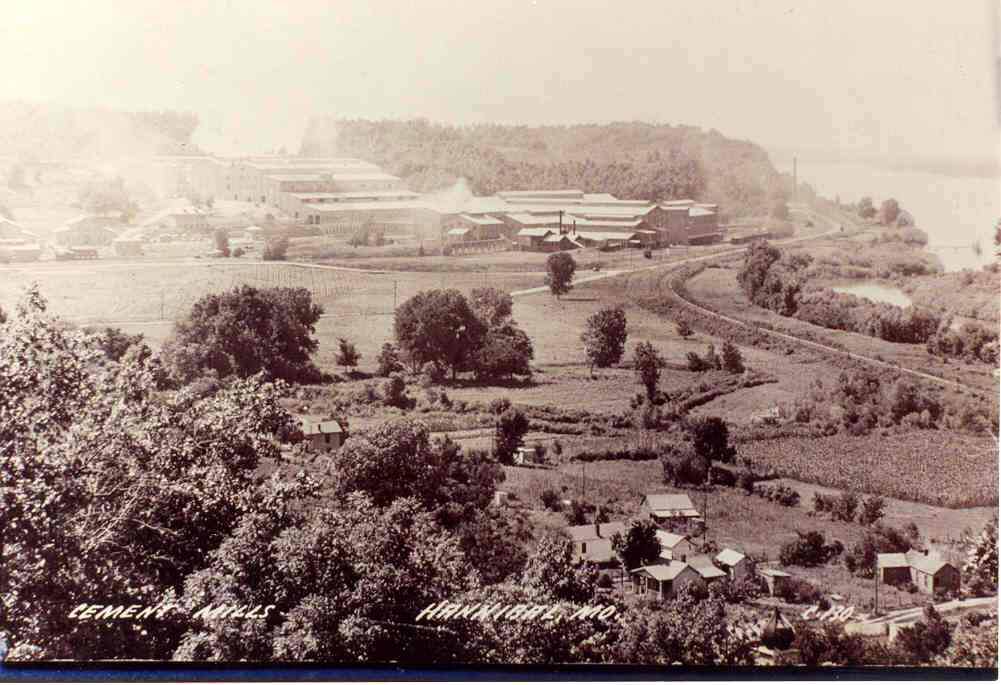
The era: 1900-1930
The Setting: Ilasco, Missouri, now a ghost town that was home to about 2,000 residents at the time, mostly immigrants from southern and eastern Europe.

Storyline: Two colorful, dynamic sisters battle the nation’s most powerful cement corporation and at times each other over a lucrative 26-acre tract of land next to its plant on the Mississippi River near the Mark Twain Cave. On the tract were leased businesses, religious institutions, and modest houses of workers.

Who scooped up the land?– The Atlas Portland Cement Company
Who was the victim of a court-ordered financial guardianship?Molly
Who complained that Molly’s mental competence was “bargained away for the sole purpose of money graft?” Euphemia, charging corruption, and acting as her own attorney at times, sued Atlas and a Ralls County probate judge and prosecuting attorney until officials forcibly committed her to the state mental hospital in Fulton, where she died in 1930.
What was the diagnosis used to justify Euphemia’s confinement? “Monomania.” Her powerful adversaries charged that she was “really an old nut” gripped with a single-minded obsession to file lawsuits!

The fate of Ilasco? Atlas converted it into a company town. Its successor, the Universal Atlas Cement Company (US Steel Corp.), with help from the Missouri State Highway Engineer and the Hannibal Chamber of Commerce, got rid of the unincorporated town in the 1960s. An impressive monument on Scenic Highway 79 marks the town today.
For the rest of the story? Gregg Andrews, Insane Sisters: Or, the Price Paid for Challenging a Company Town. University of Missouri Press, 1999. Available at the University of Missouri Press, Insane Sisters (missouri.edu) Barnes & Noble, Amazon, and other digital outlets.

 Lost River Stories
Leave a comment