
By Author Gregg Andrews
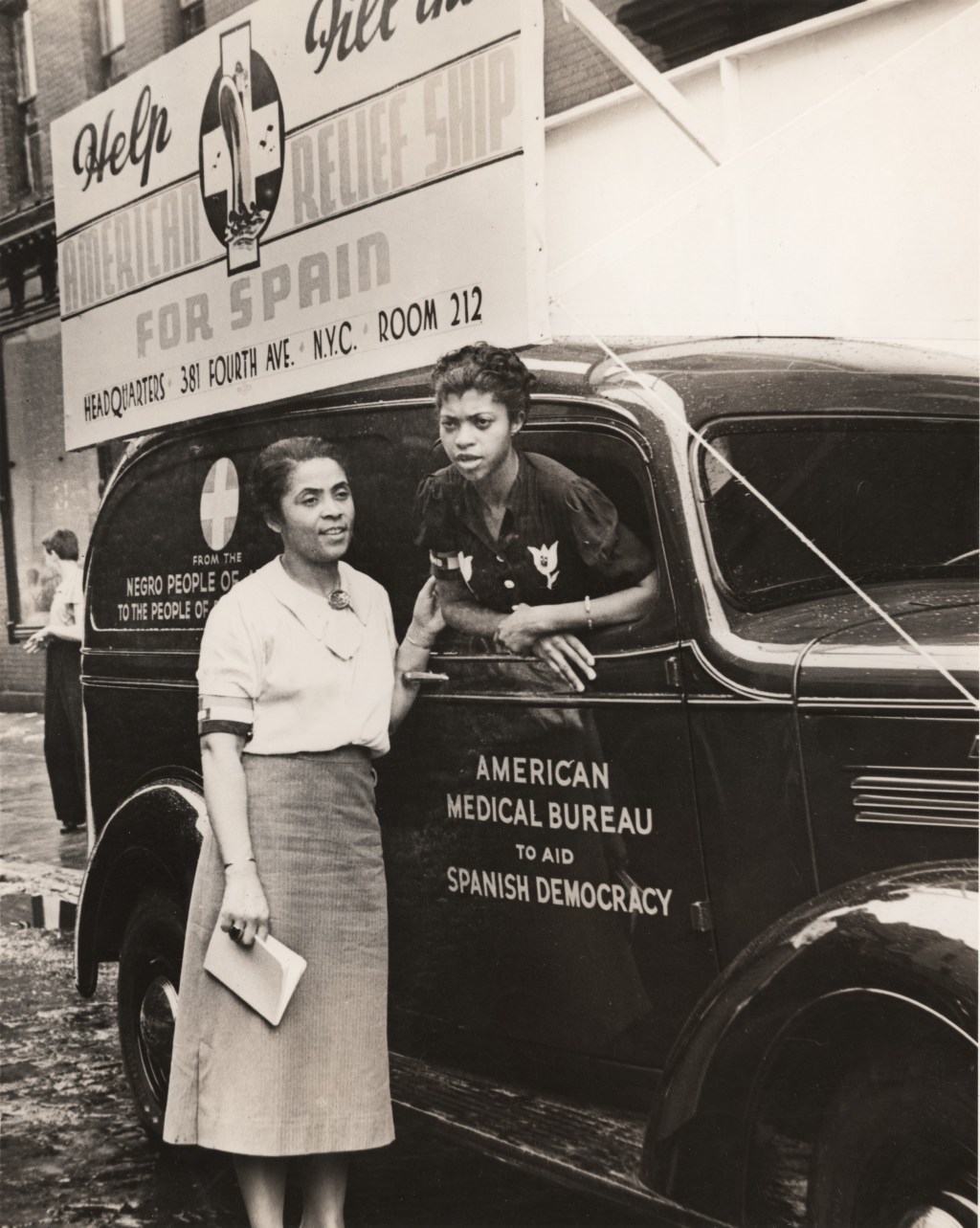
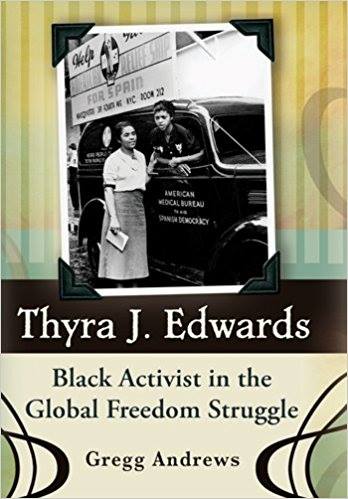
Note: The featured image shows Thyra J. Edwards (standing) and a nurse, Salaria Kea, in New York in an ambulance they helped to raise funds to purchase. The ambulance was for the Spanish Loyalists in Spain’s civil war, 1938. Photo courtesy of the Chicago History Museum.
George Washington (“Wash”) Johnson and his wife Eliza (“Liza”) Wheeler Johnson escaped slavery in the Hannibal area shortly before the Civil War. It was no easy paddle to freedom. In daring, dangerous escapes, they, along with Wash’s half-brother Enoch, crossed the Mississippi River at night and trekked to Galesburg, Illinois under the cover of darkness. They relied on help from the Underground Railroad. Descriptions of Wash and Liza come from their granddaughters, Thyra J. Edwards and Thelma Edwards Marshall. According to Thelma, Liza “was of slightly stocky build, light-skinned and straight-haired.” Thyra described their grandmother as “white with chestnut braids.” Liza, whose mother cooked for the enslaver’s family, secretly taught herself to read. Out of the view of the mistress, she devoured the works of William Shakespeare and many history and geography books during enslavement.
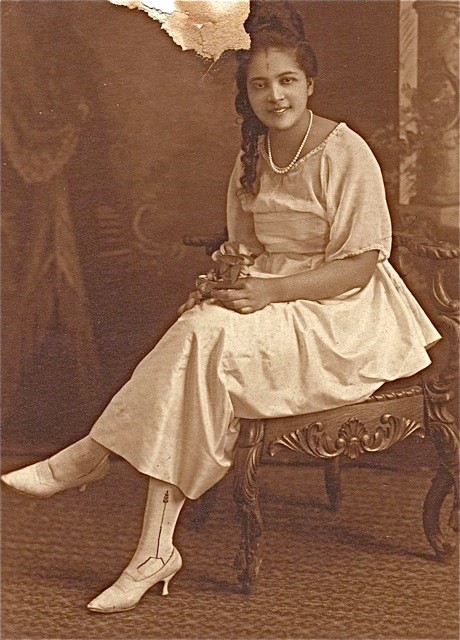
At seventeen, Liza married Wash, a twenty-five-year-old enslaved gardener and caretaker of his owner’s fruit orchard on a nearby estate. Wash had been torn away from his mother and sold when he was ten. Thyra described her grandfather, who stood six foot, six inches tall, as “a tall black giant with nobly cut features [and] the heartiest and readiest laugh.” He was “the best dancer in the entire county. . . [whose] great joy was the Saturday night dances at alternate plantations. After that he loved his trees, with a reverence almost religious.”
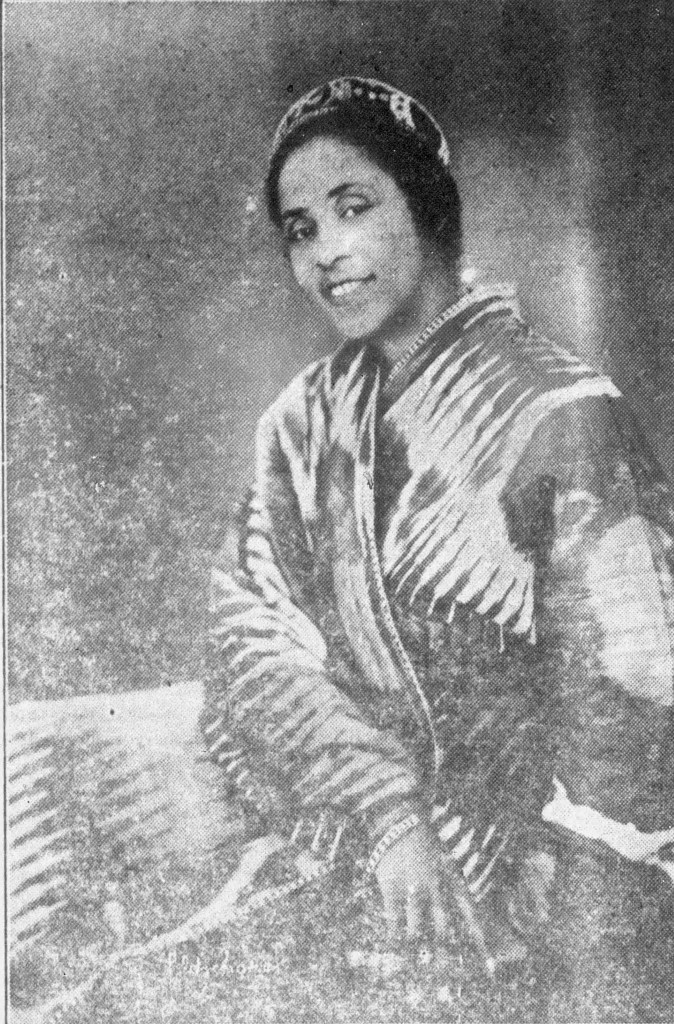
One day while planting new cherry trees, Wash saw his enslaver showing a “tobacco spitting, high booted planter from Mississippi” around the property. Wash and Enoch feared they might be sold down the river. They slipped across the Mississippi and made their way to Galesburg, Illinois. In Galesburg, a stronghold of anti-slavery sentiment and Underground Railroad supporters, Wash and Enoch found a protective environment, a safe place to live on Mulberry Street, and a way to earn a living as wood sawyers. Although they left Liza behind with ailing infant son, James, they charted a plan to slip back across the river at the risk of being set upon by the bloodhounds. At the last minute, Enoch, who was unmarried, persuaded Wash to let him be the one to go in and lead Liza from her cabin to the river with the baby. Enoch argued that if Wash were captured during the rescue attempt, Liza’s enslavers would likely punish her.
Wash and Enoch sent messages to Liza through the “grape vine” of the enslaved. When she entered her cabin one night with the baby, someone “on the shadowy side of the cabin” called her name. It was Enoch. As Thyra later recounted the escape, Liza “stepped again across the shadowed yard, the infant James warmly wrapped in a thick, gray woolen deeply fringed shawl. A shawl I knew well in my childhood. Grandmother always travelled with it, bringing it on those rare long visits she made to us.” It was nigh daybreak by the time Enoch and Liza reached the river, where Wash “waited in a canoe-like boat moored under heavy willows.” With baby James in her arms, Liza stepped into the boat, and the four of them set out across the river. After staying in the home of someone known to be part of the Underground Railroad, they made their way to Galesburg, travelling at night. Wash immediately dropped his slave name and adopted the name of George Washington Johnson. “And so we Johnsons have never carried a master’s name,” Thyra proudly remembered.
The Johnson family’s roots in freedom led to a multigenerational line of talented, internationally acclaimed civil rights and social justice activists. After Wash and Liza’s youngest child, Anna, graduated from high school in Galesburg in 1894, she moved to the Houston area and married Horace Edwards. They were educators in the segregated schools of Wharton, and Horace worked at the post office in Houston. Their daughters, Thelma and Thyra, became teachers and social workers who were political activists at home and abroad. Thyra, especially, was hounded and harassed by the FBI and other branches of the U.S. intelligence apparatus.
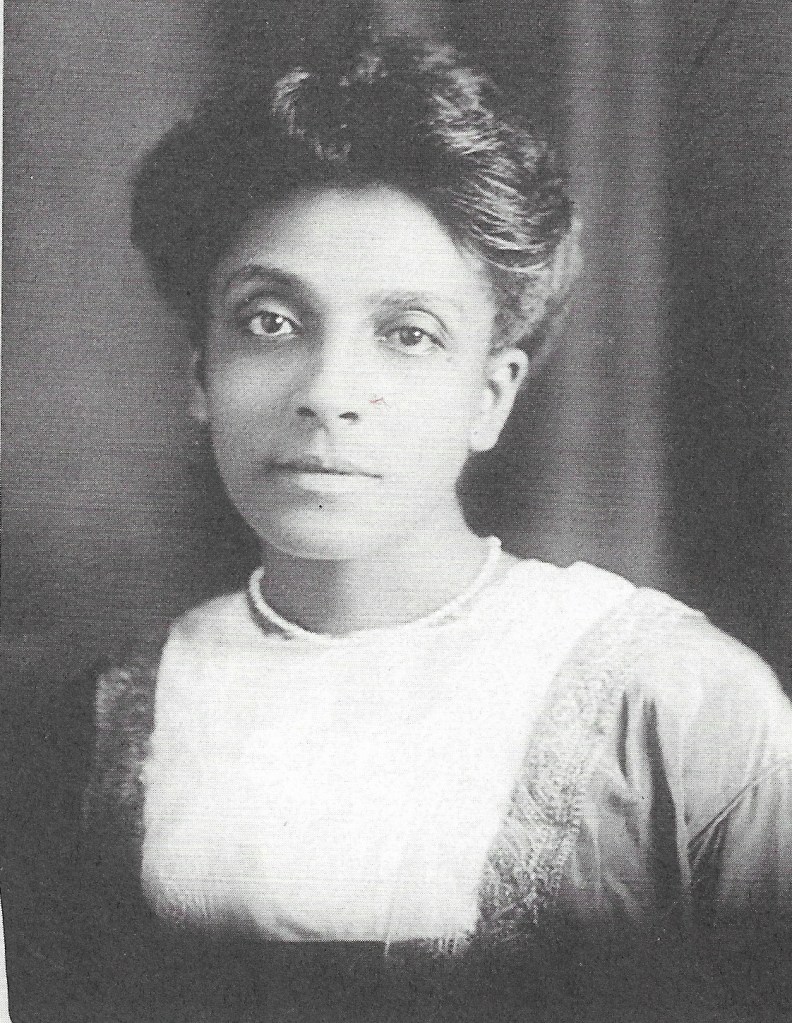
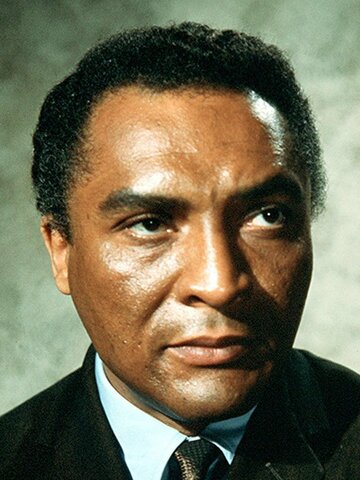
The rich family legacy continues today in the highly educated, talented children (Gina Loring and Tariq Marshall) of the deceased opera singer and stage, television, and Hollywood actor/producer William Marshall (“Blacula,” “Othello,” etc., etc.). The descendants of the Johnsons have achieved notable acclaim, but their roots in freedom began in Galesburg after the Johnson family’s dramatic river escape from slavery in the Hannibal area. Hardships during their escape contributed to the death of their sick infant son, but in the darkness of that night, Wash and Liza caught a glimpse of freedom’s light on the other side of the river.
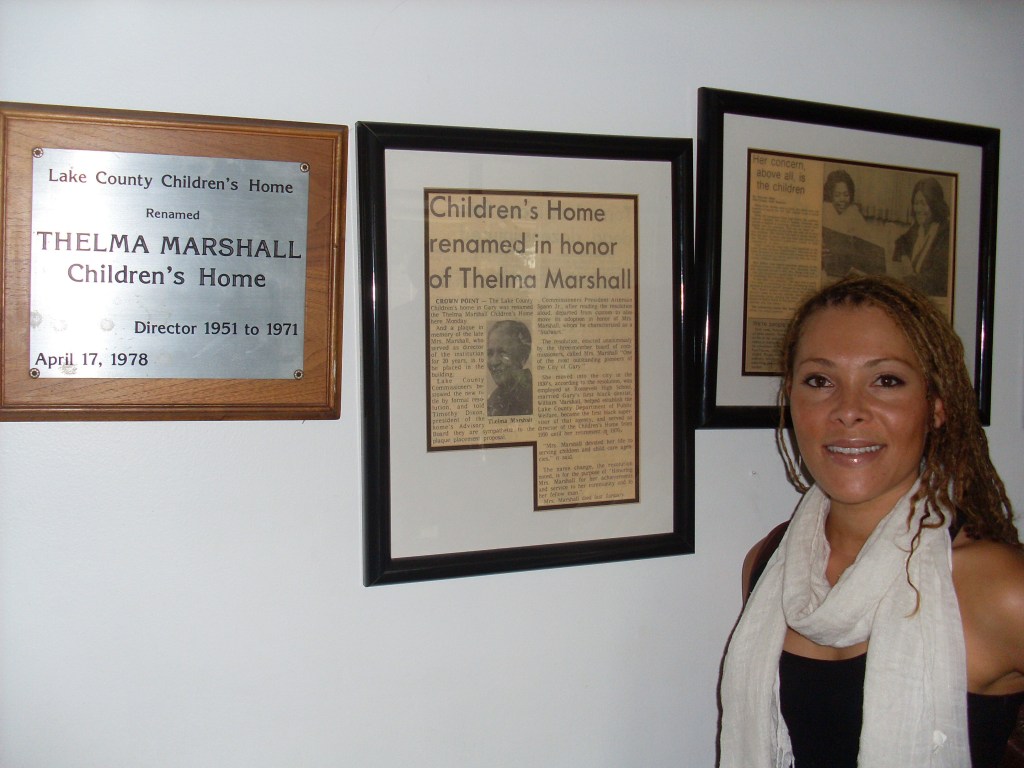
Nearly a year ago, I was contacted by Tariq Marshall, who is writing an exciting biography of his father. William Marshall broke many racial barriers in opera, film, stage, and television. Tariq plans to link his father’s achievements and struggles to the family’s history of social and political activism, beginning that night on the shadowy side of the slave cabin on the west bank of the Mississippi somewhere in the Hannibal area. I can’t wait to read the biography when it comes out.

Note: All the quotes and information in this blog post come from my book, Thyra J. Edwards: Black Activist in the Global Freedom Struggle (University of Missouri Press, 2011). Below is a song, “Gonna Be Free,” which I wrote, recorded, and released with my band, Dr. G & the Mudcats, in 2010. I was inspired by the story of Wash and Liza to write the song while I was doing research for the book.
 Lost River Stories
Leave a comment